
Difference Between Corrugated Box and Cardboard Box: Understanding Industrial Shipping Container Strength and Materials
By Guy Ockerlund, OX BOX
In the realm of packaging, understanding the differences between corrugated boxes and cardboard boxes is crucial for businesses that rely on effective shipping solutions. Corrugated boxes are designed with a fluted layer between two flat liners, providing enhanced strength and durability compared to standard cardboard boxes. This article will delve into the key distinctions between these two types of packaging, focusing on their materials, strength, and applications in industrial shipping. By the end, readers will gain insights into which box type best suits their shipping needs, particularly in heavy-duty scenarios.
Differences Between Corrugated Boxes and Cardboard Boxes
The primary differences between corrugated boxes and cardboard boxes lie in their material composition, strength, and intended usage. Corrugated boxes are made from a combination of paper and a fluted layer, which gives them superior strength and makes them ideal for shipping heavier items. In contrast, cardboard boxes are typically made from a single layer of paperboard, making them less durable and more suitable for lighter products.
Materials
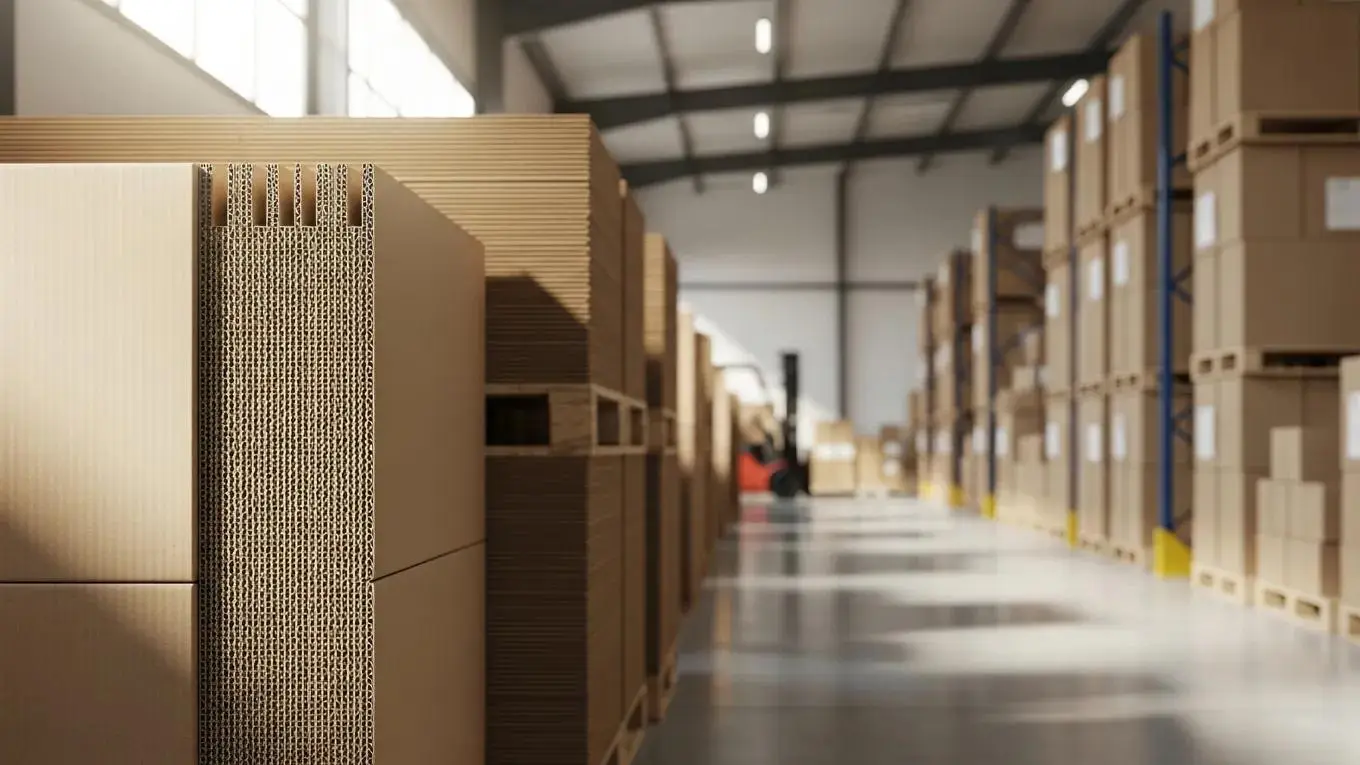
Corrugated boxes are constructed from three main components: the outer liners, the inner liners, and the fluted medium. The fluted layer provides cushioning and strength, allowing these boxes to withstand significant weight and pressure. On the other hand, cardboard boxes consist of a single layer of paperboard, which is less robust and primarily used for lightweight items. This fundamental difference in materials directly impacts their performance in shipping and storage applications.
Industrial Shipping Container Strength

When it comes to strength, corrugated boxes excel due to their unique construction. The fluted layer not only adds rigidity but also enhances the box’s ability to absorb shocks during transit. This makes corrugated boxes the preferred choice for industrial shipping, where the risk of damage is higher. In contrast, cardboard boxes may not provide the same level of protection, making them less suitable for heavy-duty applications.
Key Distinctions in Usage and Design
The design and usage of corrugated and cardboard boxes also differ significantly. Corrugated boxes are often used for shipping bulk items, fragile goods, and products that require extra protection. Their design allows for stacking and efficient storage, making them ideal for warehouses and distribution centers. Conversely, cardboard boxes are commonly used for retail packaging and shipping smaller, lighter items, where cost-effectiveness is a priority.
Indeed, effective packaging design is recognized as a fundamental component for optimizing supply chain performance, particularly in industrial contexts.
Industrial Packaging Design & Supply Chain Performance
Packaging could and should be considered one of the key elements that promote supply chain performance in terms of efficiency and sustainability. Although, packaging should be considered as a system comprising three different levels (primary, secondary and tertiary), in the industrial sphere design problems are usually centered exclusively on two levels: the primary packaging (the “box”) and the tertiary packaging (the “unit load”).
Methodology for selecting packaging alternatives: an “action research” application in the industrial sector, J Garcia-Arca, 2021
What Are the Key Material Differences Between Corrugated and Cardboard Boxes?
The key material differences between corrugated and cardboard boxes stem from their construction. Corrugated boxes feature a layered design that includes a fluted medium, which provides strength and durability. In contrast, cardboard boxes are made from a single layer of paperboard, making them less resilient. This distinction is crucial for businesses that need to choose the right packaging for their products, especially when considering factors like weight, fragility, and shipping conditions.
How Does Corrugated Fiberboard Enhance Box Durability?
Corrugated fiberboard enhances box durability through its unique structure, which includes multiple layers that work together to provide strength and resistance to damage. The fluted layer acts as a shock absorber, protecting the contents during transit. This construction not only improves the box’s ability to withstand weight but also contributes to its overall longevity, making it a reliable choice for industrial applications.
How Do Corrugated Box Types Affect Industrial Shipping and Storage?
Different types of corrugated boxes, such as single-wall, double-wall, and triple-wall boxes, significantly impact industrial shipping and storage. Single-wall boxes are suitable for lightweight items, while double-wall and triple-wall boxes offer increased strength for heavier products. The choice of box type can affect shipping costs, storage efficiency, and the level of protection provided to the contents.
What Are the Differences Between Single Wall and Double Wall Corrugated Boxes?
Single wall corrugated boxes consist of one layer of fluted material between two liners, making them suitable for lighter items. In contrast, double wall corrugated boxes have two layers of fluted material, providing enhanced strength and durability for heavier shipments. This difference in construction directly influences their applications, with double wall boxes being ideal for industrial shipping where additional protection is necessary.
Which Corrugated Box Types Are Best Suited for Heavy Duty Storage?
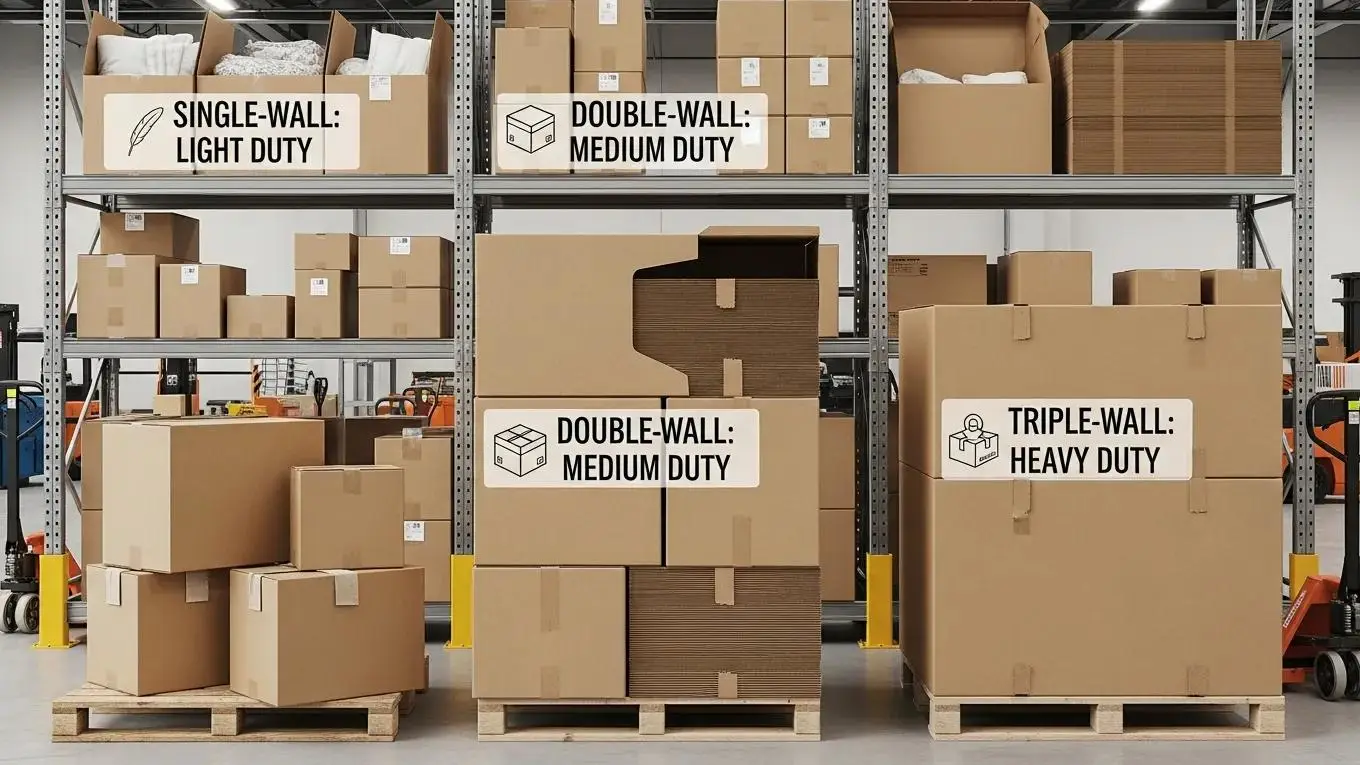
For heavy-duty storage, double-wall and triple-wall corrugated boxes are the best options. These boxes are designed to handle significant weight and provide superior protection against damage. Their robust construction makes them ideal for storing heavy machinery, equipment, and other industrial products that require reliable packaging solutions.
The robust nature of triple-wall corrugated board is well-documented, even being utilized in innovative applications beyond traditional packaging.
Triple-Wall Corrugated Board for Durability
UN-CA Design (Italy) kindly provided two corrugated cardboard stools made of the same triple-wall corrugated board used in this work.
Evaluation of coatings to improve the durability and water-barrier properties of corrugated cardboard, A Marinelli, 2021
Why Is Corrugated Box Strength Superior for Industrial Shipping Containers?
The strength of corrugated boxes is superior for industrial shipping containers due to their layered construction, which allows them to withstand greater pressure and weight. The fluted layer provides structural integrity, making these boxes less likely to collapse under heavy loads. This characteristic is essential for businesses that need to ensure their products arrive safely and intact.
How Does Corrugated Box Construction Improve Stacking Strength?
The construction of corrugated boxes significantly improves stacking strength. The fluted layer not only adds rigidity but also distributes weight evenly across the box, allowing for safe stacking during storage and transit. This feature is particularly beneficial in warehouse settings, where maximizing space and ensuring product safety are critical.
Research further emphasizes the critical role of compression strength in determining a box’s ability to withstand stacking pressures over time.
Corrugated Box Compression & Stacking Strength
strength in a short term test is different than stacking strength in the field, compression strength is fundamental to estimate a box’s
Corrugated box compression—
A literature survey, B Frank, 2014
What Are the Cost-Efficiency Benefits of Using Corrugated Boxes?
Using corrugated boxes offers several cost-efficiency benefits, including reduced shipping costs due to their lightweight design and the ability to stack efficiently. Additionally, their durability means that businesses can save on replacement costs, as these boxes are less likely to be damaged during transit. Overall, investing in corrugated boxes can lead to significant long-term savings for companies involved in shipping and storage.
How to Choose the Right Shipping Box Material for Your Business Needs?
When selecting the right shipping box material, businesses should consider factors such as the weight and fragility of the items being shipped, the shipping method, and the storage conditions. Corrugated boxes are ideal for heavier and more fragile items, while cardboard boxes may suffice for lighter products. Evaluating these factors will help businesses make informed decisions that align with their shipping and storage requirements.
What Factors Determine the Best Box Type for Industrial Applications?
Several factors determine the best box type for industrial applications, including the weight of the items, the shipping environment, and the level of protection required. Businesses should assess the specific needs of their products to choose the appropriate box type, whether it be single-wall, double-wall, or triple-wall corrugated boxes. Understanding these factors will ensure that the selected packaging meets both safety and cost-effectiveness criteria.
How Does Environmental Impact Influence Packaging Material Selection?
Environmental impact plays a significant role in packaging material selection. Businesses are increasingly seeking sustainable options that minimize waste and reduce their carbon footprint. Corrugated boxes are often made from recycled materials and are recyclable themselves, making them a more environmentally friendly choice compared to traditional cardboard boxes. This consideration is essential for companies looking to enhance their sustainability efforts while maintaining effective packaging solutions.