
Triple-wall corrugated packaging stands out as a vital solution in the realm of industrial shipping, blending durability with efficiency. This comprehensive guide explores the crucial elements such as ECT ratings, burst strength, and the myriad of industrial applications where such packaging excels. Many businesses face challenges in selecting the right packaging material that ensures product safety while optimizing shipping costs. By understanding the technical specifications and advantages of triple-wall packaging, industry professionals can make informed decisions that align with their operational goals. This article will cover an overview of triple-wall corrugated packaging, the significance of ECT ratings, the measurement of burst strength, and its diverse industrial applications.
Overview of Triple-Wall Corrugated Packaging
Triple-wall corrugated packaging is a robust solution engineered for heavy-duty uses, consisting of three layers of linerboards and fluted paper. This design provides exceptional structural integrity, making it ideal for shipping fragile or heavy items. The inner fluted paper layer adds extra cushioning, while the dual outer layers enhance protection against external pressures. Businesses in logistics and manufacturing often rely on this type of packaging due to its ability to withstand significant wear and tear during transit. As the demand for reliable and sustainable packaging solutions continues to grow, triple-wall packaging has gained prominence across various sectors.
ECT Ratings
Edge Crush Test (ECT) ratings play a significant role in determining the strength and durability of corrugated packaging. The ECT rating measures the amount of weight the packaging can withstand before collapsing, which is crucial when evaluating the performance of triple-wall boxes. Typical ECT ratings for these boxes can range widely depending on their construction and intended use. Understanding the significance of ECT ratings helps businesses choose the correct packaging for transporting goods, ensuring that their products arrive undamaged and in optimal condition.
Burst Strength
Burst strength refers to the measure of a material’s capability to resist an external force when pressure is applied, and it is a critical factor in assessing the durability of packaging materials. For triple-wall corrugated boxes, burst strength is often tested under standardized conditions to guarantee that they can endure rigorous shipping environments. Higher burst strength ratings indicate a stronger and more reliable packaging solution, vital for industries dealing with heavy or fragile cargo. Companies prioritizing safety and quality in their shipping practices will benefit greatly from understanding how burst strength can impact their packaging choices.
Industrial Applications
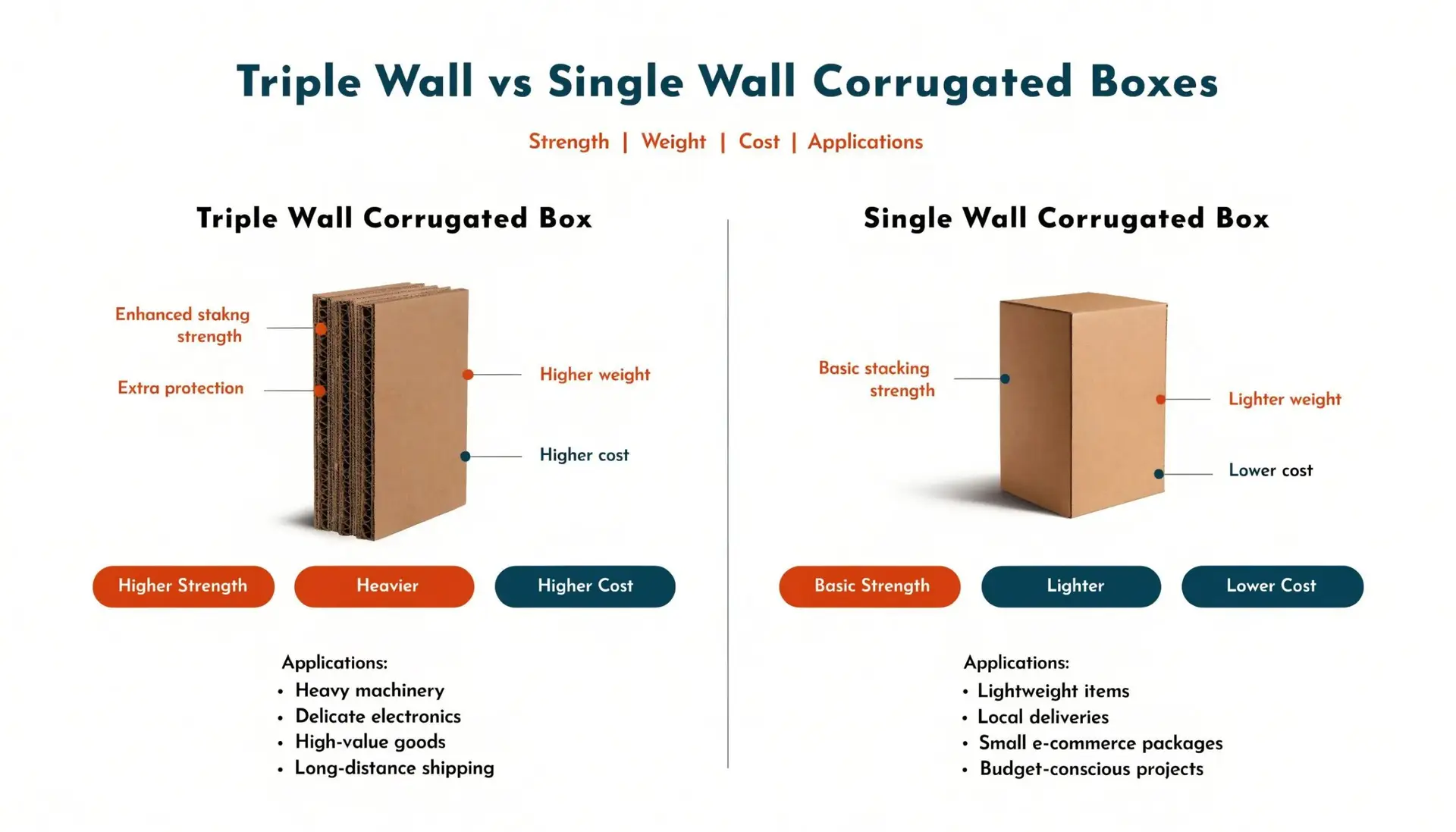
Triple-wall corrugated packaging is commonly utilized in various industries due to its robustness and versatility. Industries such as HVAC, energy storage, and logistics frequently employ this type of packaging for its ability to handle heavy loads and protect delicate items during transportation. Specific applications include:
- HVAC Components: Ensures safe shipping of sensitive equipment and parts.
- Energy Storage Systems: Protects battery storage units during transport.
- Manufacturing: Safeguards fragile goods, ensuring they arrive intact.
In each of these applications, the benefits of triple-wall packaging provide significant cost savings and enhanced reliability during shipping.
How Is Triple-Wall Corrugated Packaging Applied in HVAC and Energy Storage Product Shipping?
Triple-wall corrugated packaging is exceptionally suited for HVAC and energy storage product shipping due to its high strength-to-weight ratio. HVAC systems, often consisting of large and delicate components, require protection from damage that could arise during transport. Similarly, energy storage products, such as batteries, demand packaging that can handle heavy loads while providing insulation and support. By utilizing triple-wall boxes, companies can minimize risks associated with transportation, leading to lower costs and improved customer satisfaction.
Why Do Contractors and Distributors Prefer Triple-Wall Corrugated Boxes for Reliability and Cost Efficiency?
Contractors and distributors favor triple-wall corrugated boxes due to their reliability and cost efficiency. The superior durability of these boxes translates to less product damage during shipping, which ultimately saves companies money on replacements and customer dissatisfaction. Furthermore, the lightweight nature of triple-wall packaging allows for lower shipping costs, making it an economical choice for heavy-duty shipping needs. This combination of reliability and cost-effectiveness solidifies the triple-wall design as the preferred shipping solution across several industries.
Benefits of Triple-Wall Boxes
Triple-wall boxes offer various advantages that make them appealing for industrial use:
- Exceptional Strength and Durability: The multi-layer construction enhances the box’s ability to withstand weight and impact during shipping.
- Cost Efficiency in Shipping: Their lightweight design not only reduces material costs but also minimizes shipping fees.
- Environmental Benefits: Triple-wall packaging is often made from recyclable materials, aligning with sustainability goals.
These benefits make triple-wall packaging an essential consideration for professionals looking to optimize their shipping strategies.
EAV Table: Durability Advantages of Triple-Wall Boxes
Understanding the specific advantages of triple-wall boxes can be useful for businesses aiming to enhance their packaging efficiency and reliability.
This table illustrates how the features of triple-wall boxes provide substantial advantages in various industrial settings.
Weight Capacity
The weight capacity of triple-wall corrugated boxes typically ranges from 500 pounds to several tons, depending on their design and material quality. These boxes are engineered to support significant loads, making them suitable for various industrial applications where heavy items are transported. It is critical for companies to choose packaging that aligns with their shipment requirements to ensure safety and efficiency in logistics.
Environmental Benefits
The environmental benefits of using triple-wall corrugated packaging cannot be overlooked. These boxes are typically made from recyclable materials, which significantly reduces their impact on the environment compared to single-use plastic alternatives. Moreover, the use of sustainable materials aligns with the increasingly stringent environmental regulations that businesses must comply with. Companies that prioritize eco-friendly practices can leverage triple-wall packaging as part of their sustainability initiatives.
Best Practices for Use
To maximize the effectiveness of triple-wall packaging, companies should adhere to best practices:
- Ensure Proper Sizing: Using correctly sized boxes reduces material waste and enhances protection.
- Use Cushioned Inserts: Incorporating cushioning materials can further protect fragile items.
- Follow Handling Instructions: Proper training on handling and loading techniques will minimize damage during transport.
Implementing these best practices will strengthen the overall efficiency of packaging operations.
Maintenance and Storage
Maintaining and storing triple-wall packaging correctly is essential to ensure its longevity and functionality. It is important to store boxes in a dry, temperature-controlled environment to prevent any moisture absorption or deformation. Regular inspection for damages allows companies to replace compromised packaging before it affects product shipping.
Ordering and Customization
Ordering triple-wall boxes can be streamlined through online vendors, with many suppliers offering customization options to meet unique specifications. Businesses should consider factors such as box size, strength requirements, and printing for branding when placing orders. Engaging with suppliers who specialize in industrial packaging can help ensure that orders are filled promptly and meet all necessary standards.
What Are Edge Crush Test Standards and Their Importance in Triple-Wall Corrugated Packaging?
Edge Crush Test (ECT) standards are essential in determining the performance of corrugated packaging materials. These standards assess the maximum load that a box can bear when force is applied against its edges. Utilizing ECT values is critical for manufacturers and distributors in selecting the appropriate packaging that guarantees product protection during shipment.
How Is the ECT Rating Measured and What Do Typical Values Indicate?
ECT rating is measured using a standardized testing method, where a sample of the corrugated board is subjected to pressure until failure occurs. Typical values can vary, but higher ECT ratings indicate stronger packaging options. Understanding typical values helps businesses assess and choose the right packaging based on their specific loading conditions.
Why Are ECT Ratings Critical for Heavy Duty Box Design and Industrial Shipping?
For heavy-duty box designs, ECT ratings are critical as they offer a quantifiable measure of a box’s strength relative to its weight. Companies shipping particularly heavy or fragile items need to ensure that their packaging can withstand pressure during handling and transport. ECT ratings assist in selecting the right boxes to avoid damages and enhance overall shipping performance.
How Does Burst Strength Determine the Durability of Industrial Packaging Materials?
Burst strength is a vital metric that indicates how well a packaging material can withstand internal pressure without rupturing. High burst strength ratings are essential for industrial packaging, particularly when dealing with volatile products or in high-pressure transportation conditions. Understanding burst strength contributes to making informed packaging decisions that prioritize product safety.
What Are the Standard Test Methods for Measuring Burst Strength in Corrugated Fiberboard?
Standard test methods for measuring burst strength typically involve using a hydraulic or pneumatic testing machine to apply pressure to a corrugated fiberboard sample until it bursts. This method helps establish consistent performance benchmarks for manufacturers. Knowledge of these standards enables businesses to ensure their packaging meets industry requirements.
How Does Burst Strength Impact Packaging Selection for Heavy Loads Weighing 500 Pounds or More?
The burst strength of packaging plays a crucial role in selecting the right materials for loads exceeding 500 pounds. Packaging designed to handle such weight should not only possess high burst strength ratings but also integrate multiple layers of protection to accommodate the challenges of heavy-duty shipping. Businesses must prioritize proper testing procedures to confirm that their packaging selections are suitable for these demanding applications.
How Can Selecting Triple-Wall Packaging Provide Additional Cost Savings and Compliance Benefits?
Choosing triple-wall packaging can lead to significant cost savings in various areas, including material expenses and shipping costs. Furthermore, utilizing compliant materials can aid businesses in aligning with regulatory requirements, avoiding potential penalties. The enhanced protection and reduced damage rates also contribute to overall financial benefits within the supply chain.